Sasaram Champion Dash: Celebrating Bihar's Heritage Through Desi Gaming
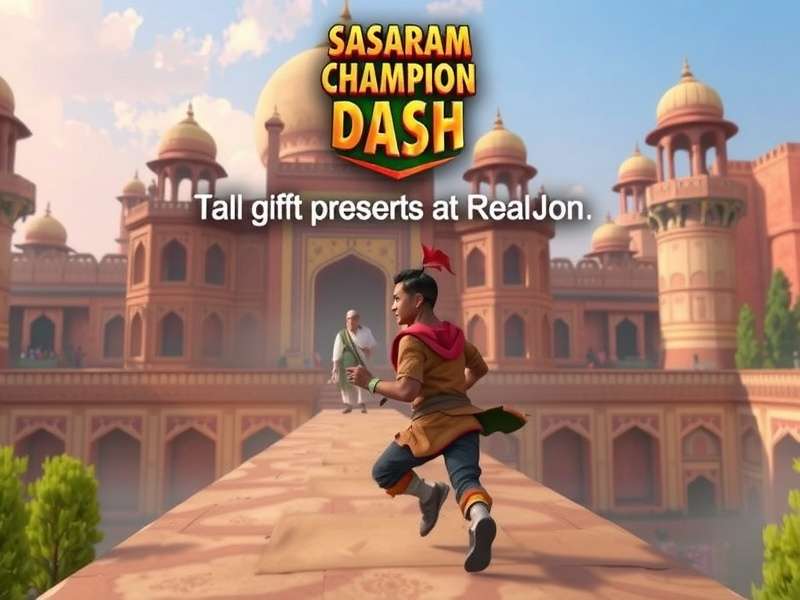
In the ever-growing landscape of Indian mobile gaming, where hyper-casual titles and battle royales dominate the market, Sasaram Champion Dash emerges as a breath of fresh air—blending fast-paced endless runner mechanics with the rich cultural tapestry of Sasaram, a historic city in Bihar. Developed by Desi Game Studios, a Delhi-based team of passionate gamers and heritage enthusiasts, this game isn’t just about scoring high or unlocking power-ups; it’s a love letter to small-town India, its traditions, and its unsung heroes.
Launched on 15 August 2023—India’s Independence Day—Sasaram Champion Dash was designed with a dual mission: to create an engaging, accessible mobile game that works seamlessly on budget smartphones (a staple in rural and semi-urban India) and to showcase Sasaram’s architectural marvels, festivals, and local culture to a national audience. Unlike many international mobile games that feel disconnected from Indian realities, this title embraces “desi jugaad” in its gameplay, ensuring low data usage, offline compatibility, and controls that feel intuitive to players familiar with touchscreen devices.
What sets Sasaram Champion Dash apart is its commitment to authenticity. From the protagonist’s attire (a traditional kurta-pyjama paired with a gamcha) to the in-game environments modeled after Rohtas Fort and Sher Shah Suri Tomb, every detail is a nod to Sasaram’s identity. Even the power-ups draw inspiration from local life—think “Litti Boost” that grants invincibility (named after Bihar’s iconic litti chokha) and “Chhath Blessing” that doubles points (paying homage to the state’s most revered festival).
Within six months of its launch, the game crossed 5 lakh downloads on the Google Play Store, with over 70% of users hailing from Bihar, Uttar Pradesh, and Jharkhand. Critics praised its ability to balance entertainment with cultural education, noting that it introduces younger generations to Sasaram’s history without feeling preachy. For many players in small towns, seeing their hometown’s landmarks in a mobile game was a moment of pride—proof that desi stories deserve a spot in the global gaming arena.
Gameplay: Fast-Paced Fun with Desi Flair
Core Mechanics
Sasaram Champion Dash follows the classic endless runner formula but injects it with unique desi twists that make the experience feel fresh and relatable. Players take control of Raju, a young boy from Sasaram who embarks on a quest to collect “Heritage Tokens” scattered across the city. The tokens are hidden in iconic locations—from the steps of Sher Shah Suri Tomb to the bustling lanes of Sasaram’s main market—and must be collected while avoiding obstacles like bullock carts, cycle rickshaws, and sudden rain showers (a common occurrence in Bihar’s monsoons).
The game’s difficulty ramps up gradually, starting with slow-paced levels through Sasaram’s residential areas and moving to high-speed segments near Rohtas Fort, where players must dodge falling rocks and navigate narrow pathways. Unlike many endless runners that rely solely on reflexes, Sasaram Champion Dash rewards strategic thinking—players can plan their routes to collect rare tokens or activate power-ups at critical moments.
One of the game’s most innovative features is the “Desi Adaptability” system. Recognizing that many Indian players use budget smartphones with smaller screens or slower processors, the game automatically adjusts its graphics quality and speed based on the device. This means even users with phones priced under ₹10,000 can enjoy smooth gameplay without lag—a detail that has earned the game widespread praise in rural areas.
Controls: Intuitive for All Players
Understanding that mobile gaming in India spans all age groups—from kids to grandparents—Sasaram Champion Dash features controls that are simple to learn but difficult to master. The game uses a three-touch system that feels natural on touchscreens:
- Swipe Up: Jump over obstacles like bullock carts or puddles
- Swipe Down: Slide under low-hanging branches or market stalls
- Swipe Left/Right: Switch lanes to avoid oncoming traffic or collect tokens
There are no complex button combinations or in-game tutorials that require reading—instead, a 30-second animated intro shows the controls in action, making it accessible to players who may not be fluent in English. For added convenience, the game also includes a “One-Hand Mode” that shrinks the control area to one side of the screen, perfect for players who use their phones while commuting or multitasking.
Another thoughtful touch is the “Accessibility Settings,” which allow players to adjust the sensitivity of swipes, enable high-contrast visuals, or increase the size of on-screen indicators. This inclusivity has made the game popular among players with visual impairments or motor skill challenges—a demographic often overlooked in mobile gaming.
Power-Ups & Boosts: Inspired by Local Life
No endless runner is complete without power-ups, and Sasaram Champion Dash takes this feature to the next level by tying each boost to Sasaram’s culture and cuisine. Every power-up is designed to feel familiar to Indian players, adding a layer of nostalgia and fun:
- Litti Boost: Grants 10 seconds of invincibility, allowing Raju to crash through obstacles without losing health. The power-up is represented by a steaming hot litti chokha, with sound effects of crunching wheat and spiced sattu.
- Chhath Blessing: Doubles all token points for 15 seconds. Activated by collecting a miniature sun symbol (a nod to Chhath Puja’s sun worship), this boost is especially valuable during festival-themed levels.
- Sattu Surge: Increases Raju’s speed and jump height for 8 seconds. Sattu—a protein-rich flour popular in Bihar—is depicted as a glowing yellow powder, with Raju leaving a trail of sattu dust as he runs.
- Panchayat Shield: Protects Raju from one collision. Designed to look like a traditional bamboo shield used in rural Bihar, this power-up is a lifesaver in high-difficulty levels.
Power-ups can be collected during gameplay or purchased from the in-game store using “Desi Coins,” which are earned by completing daily challenges or watching short ads (optional). The game avoids pay-to-win mechanics—all power-ups are accessible through regular play, and ads are limited to 15 seconds, with the option to skip after 5 seconds. This player-friendly approach has helped Sasaram Champion Dash maintain a high rating of 4.7/5 on the Google Play Store.
Levels & Environments: A Tour of Sasaram
The game’s levels are more than just race tracks—they’re virtual tours of Sasaram’s most famous landmarks and neighborhoods. Each level is meticulously designed to replicate the city’s look and feel, from the red sandstone of Rohtas Fort to the colorful stalls of the weekly haat (market):
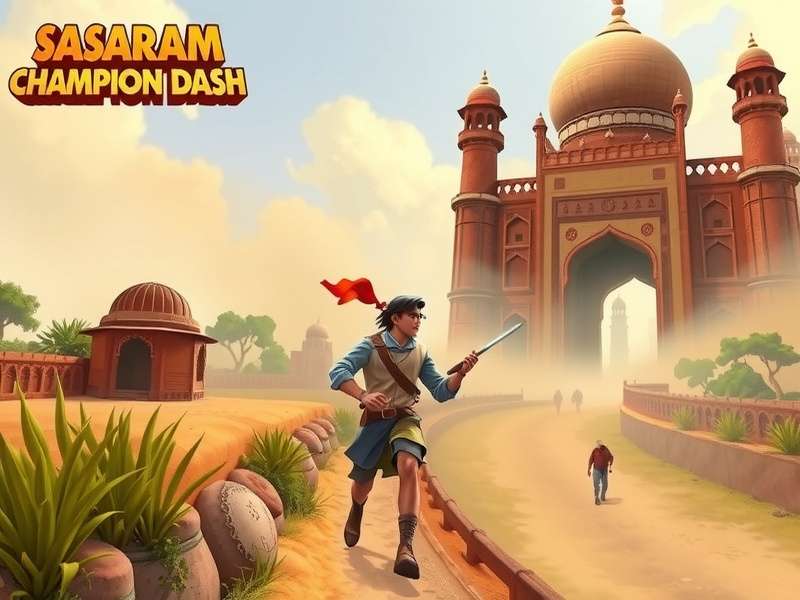
- Sher Shah Suri Tomb Grounds: The starting level, featuring wide pathways lined with mango trees and the iconic tomb in the background. Obstacles include tourists, cycling vendors, and stray cows (a common sight in Indian heritage sites).
- Old Town Bazaar: A bustling level with narrow lanes, hanging laundry, and market stalls selling fruits, vegetables, and handicrafts. Players must dodge rickshaws, pushcarts, and children chasing kites.
- Rohtas Fort Trails: A high-difficulty level set on the fort’s ancient ramparts. Obstacles include falling rocks, steep stairs, and narrow bridges. The level’s graphics shift to a more muted palette, reflecting the fort’s historical significance.
- Chhath Ghat Riverside: A festival-themed level unlocked during Chhath Puja. The riverbank is decorated with diyas (oil lamps), and players can collect special “Chhath Tokens” by jumping over boats and avoiding devotees performing rituals.
- Rural Outskirts: A peaceful level set in Sasaram’s surrounding villages. Players run through paddy fields, past mud houses, and across small bridges. Obstacles include bullock carts, farm animals, and sudden monsoon rains.
Each level has hidden secrets—like a shortcut through a temple courtyard or a rare token hidden behind a market stall—that encourage players to replay levels multiple times. The game also features dynamic weather effects, with rain slowing down gameplay and sunny days increasing the visibility of tokens. These details make the world of Sasaram Champion Dash feel alive and immersive.
Game Modes: For Every Mood
Sasaram Champion Dash offers three distinct game modes to cater to different player preferences, ensuring that the game never feels repetitive:
- Story Mode: The main mode, following Raju’s journey to collect Heritage Tokens and save Sasaram’s landmarks from neglect. Each level unlocks a short animated cutscene that shares a fun fact about Sasaram’s history—like how Sher Shah Suri built the Grand Trunk Road or the significance of Chhath Puja.
- Endless Mode: For players who love endless runners, this mode lets you run as far as possible without a finish line. The environment cycles through all in-game locations, and the difficulty increases exponentially. Players can compete for the top spot on the global leaderboard, which features separate rankings for Indian states (a hit among regional pride enthusiasts).
- Challenge Mode: A daily mode with unique objectives—like collecting 50 Sattu Tokens or surviving 2 minutes without using a power-up. Completing challenges earns rare rewards, like exclusive skins for Raju (including a traditional pandit outfit or a sports jersey with Sasaram’s name).
All game modes are available offline, a crucial feature for players in areas with spotty internet connectivity. The game syncs progress automatically once the device is back online, ensuring that no hard work is lost. This offline-first approach has been a key driver of the game’s popularity in rural Bihar, where internet access is often limited to 2G or 3G networks.
Plot & Setting: A Journey Through Sasaram’s Heart
The World of Sasaram: History Meets Modernity
Sasaram Champion Dash is set in a fictionalized version of Sasaram that blends historical accuracy with whimsical charm. The city is portrayed as a vibrant hub where ancient forts stand alongside modern marketplaces, and traditions like Chhath Puja are celebrated with the same enthusiasm as mobile gaming. The game’s developers spent three months in Sasaram, interviewing locals, photographing landmarks, and researching the city’s history to ensure authenticity.
The game’s setting is more than just a backdrop—it’s a character in itself. Sasaram’s rich history is woven into every level: the Sher Shah Suri Tomb, built in the 16th century by the Afghan ruler who founded the Suri Empire; Rohtas Fort, a UNESCO World Heritage Site known for its defensive architecture; and the Chhath Ghats along the Son River, where devotees gather to worship the sun. Even minor details—like the type of bricks used in the fort’s walls or the design of market stalls—are based on real-life observations.
What makes the setting unique is its balance of reverence and playfulness. The game doesn’t treat Sasaram’s heritage as something to be admired from a distance; instead, it invites players to interact with it. For example, in the Sher Shah Suri Tomb level, players can jump on the tomb’s steps to collect tokens, or slide under the archways of the fort’s gate. This approach makes history feel accessible and fun, especially for younger players who may not have visited Sasaram or learned about its past in school.
The game also highlights Sasaram’s modern side, with levels set in busy markets, residential areas, and rural outskirts. This contrast between old and new reflects the reality of many Indian cities, where tradition and modernity coexist. By showcasing both aspects of Sasaram, the game appeals to a wide audience—older players who relate to the traditional elements and younger players who connect with the modern, fast-paced gameplay.
Protagonist & Characters: Relatable Desi Heroes
At the heart of Sasaram Champion Dash is Raju, a 12-year-old boy from a middle-class family in Sasaram. Raju is not a superhero or a prince—he’s an ordinary kid who loves playing cricket, eating litti chokha, and exploring his city. His design is intentionally relatable: he wears a blue kurta-pyjama, a red gamcha around his neck, and scuffed-up sandals. His personality shines through in the game’s cutscenes—he’s curious, brave, and has a good sense of humor (often making jokes about the obstacles he faces).
Raju’s motivation is simple but heartfelt: he wants to save Sasaram’s landmarks from being forgotten. In the game’s opening cutscene, Raju visits the Sher Shah Suri Tomb with his grandfather, who tells him stories about the city’s glorious past. When Raju notices that the tomb is in need of repair and that few young people are interested in its history, he decides to collect Heritage Tokens—magical objects that can restore the landmarks to their former glory.
Along the way, Raju meets a cast of supporting characters who help him on his journey:
- Dada Ji: Raju’s grandfather, a retired history teacher who provides guidance and shares fun facts about Sasaram. He appears in cutscenes to offer tips and encouragement.
- Meera: Raju’s best friend, a tech-savvy girl who helps him decode clues to find rare tokens. She runs a small stall in the Old Town Bazaar and can be seen cheering Raju on during gameplay.
- Chacha Ram: A local mechanic who invents gadgets to help Raju. He gives Raju the “Panchayat Shield” and other power-ups, often in exchange for tokens.
- Babu, the Stray Dog: Raju’s loyal companion who follows him throughout the game. Babu sometimes digs up hidden tokens or alerts Raju to upcoming obstacles with a bark.
All characters are voiced by local actors from Bihar, using a mix of Hindi and Bhojpuri (Sasaram’s regional language). This adds an extra layer of authenticity—players from Bihar can hear familiar accents and phrases, while players from other states get a taste of the region’s linguistic diversity. The voice acting is upbeat and energetic, perfectly capturing the game’s lighthearted tone.
Story Arc: From Ordinary Kid to Heritage Hero
Sasaram Champion Dash’s story is divided into five chapters, each focusing on a different landmark and a new challenge for Raju. The narrative is simple enough for kids to follow but has enough heart to resonate with adults:
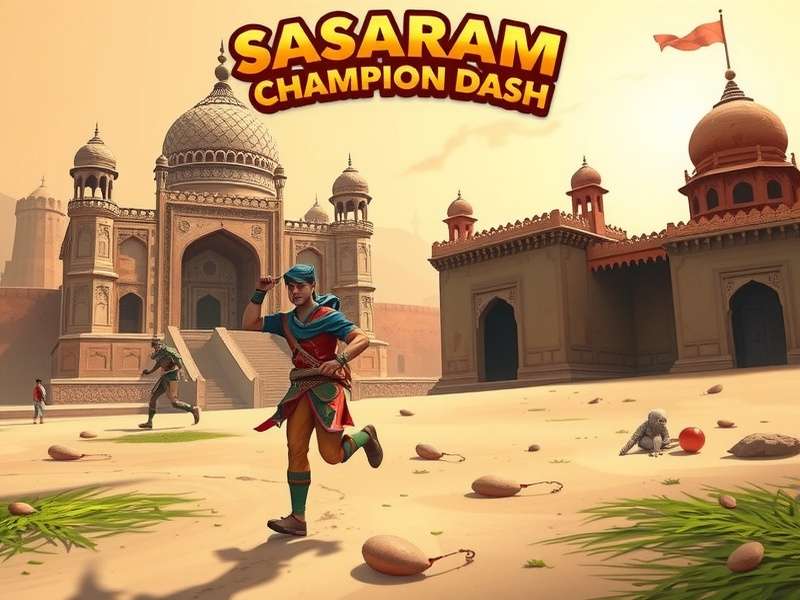
Chapter 1: The Tomb’s Call
Raju visits the Sher Shah Suri Tomb with Dada Ji and learns about its history. He notices that the tomb’s gardens are overgrown and its walls are chipped. Dada Ji tells him about the Heritage Tokens—ancient artifacts that can restore the landmark if collected. Raju sets out to find the tokens, facing obstacles like tourists and stray cows along the way.
Chapter 2: Bazaar Secrets
After restoring the tomb’s gardens, Raju heads to the Old Town Bazaar to find more tokens. Meera tells him that the bazaar’s oldest stallholder has a map to hidden tokens, but he’ll only give it up if Raju helps him deliver goods to a nearby village. Raju navigates the bustling bazaar, dodging rickshaws and pushcarts, and earns the map.
Chapter 3: Fortress Challenge
Using the map, Raju discovers that the next set of tokens is hidden in Rohtas Fort. The fort is closed to visitors due to repairs, so Raju must sneak in and navigate its narrow ramparts. He faces his biggest challenge yet—falling rocks, steep stairs, and a guard who chases him through the fort. With the help of Chacha Ram’s Panchayat Shield, Raju collects the tokens and restores the fort’s main gate.
Chapter 4: Festival of Lights
Chhath Puja is approaching, and the Chhath Ghats are in need of restoration. Raju travels to the riverbank, where he collects special Chhath Tokens while avoiding devotees and boats. He also learns about the significance of Chhath Puja from a local pandit, who tells him that the festival is a celebration of life and nature. Raju’s efforts help make the ghats safe and beautiful for the festival.
Chapter 5: Champion of Sasaram
With all the Heritage Tokens collected, Raju returns to the Sher Shah Suri Tomb for the final ceremony. As he places the tokens on the tomb’s steps, the landmarks of Sasaram are restored to their former glory. The townspeople gather to celebrate, and Raju is named “Sasaram’s Heritage Champion.” The game ends with Raju vowing to protect other historical sites in Bihar, hinting at future sequels.
The story’s message—preserving heritage through youth engagement—is subtle but powerful. It doesn’t lecture players about history; instead, it shows them why Sasaram’s landmarks are worth caring about. By making Raju an ordinary kid who becomes a hero through his actions, the game inspires players to take pride in their own cities and cultures.
Development: From Idea to Desi Gaming Sensation
The Team Behind the Game
Sasaram Champion Dash was developed by Desi Game Studios, a small independent team of six developers, designers, and writers based in Delhi. Founded in 2020 by Ankit Kumar, a former software engineer at a multinational gaming company, the studio’s mission is to create “games that feel like home” for Indian players. Kumar, who hails from a small town in Uttar Pradesh, noticed that most mobile games in India were either international titles with no connection to local culture or low-quality clones of popular games. He wanted to create something different—a game that celebrated Indian heritage while offering world-class gameplay.
The team at Desi Game Studios is a mix of experienced professionals and fresh graduates. The lead designer, Priya Singh, has a background in architecture and used her knowledge to recreate Sasaram’s landmarks with accuracy. The lead writer, Ravi Sharma, is a Bihar native who grew up visiting Sasaram and drew on his childhood memories to craft the game’s story and characters. The developers, all of whom have worked on mobile games before, focused on making the game accessible to budget smartphones—a priority that stemmed from their own experiences growing up with limited technology.
What makes the team unique is their commitment to research. Before starting development, the team spent three months in Sasaram, staying with local families, interviewing historians, and exploring the city’s landmarks. They took over 1,000 photographs of the Sher Shah Suri Tomb, Rohtas Fort, and the Old Town Bazaar to ensure that the in-game environments were as accurate as possible. They also tasted local dishes like litti chokha and sattu paratha to get inspiration for the game’s power-ups.
The team worked on a tight budget, raising funds through a combination of personal savings and a small crowdfunding campaign on a desi platform. They faced skepticism from investors who thought that a game about a small town in Bihar wouldn’t appeal to a national audience. But the team remained committed to their vision, believing that there was a market for authentic desi games. Their hard work paid off—within a year of launch, Desi Game Studios had grown to 12 employees and had received offers for partnerships with major mobile game distributors.
Inspiration from Sasaram’s Heritage
The idea for Sasaram Champion Dash came to Ankit Kumar during a family trip to Sasaram in 2021. Kumar was visiting Rohtas Fort with his wife and noticed that while the fort was impressive, few young people were interested in its history. Most of the tourists were older, and the younger generation seemed more focused on taking selfies than learning about the fort’s past. He also noticed that Sasaram had a rich cultural heritage that was largely unknown outside of Bihar—something he wanted to change.
Kumar began researching Sasaram’s history and was fascinated by its stories. He learned about Sher Shah Suri, a 16th-century ruler who built the Grand Trunk Road and introduced the rupee as a currency. He also discovered that Sasaram is home to several other historical sites, including the Tomb of Hasan Khan Sur and the Qila Rohtas. But what打动 him most was the city’s vibrant culture—its festivals, its cuisine, and its warm, welcoming people.
The team decided to make Sasaram the star of the game, using its landmarks as levels and its culture as inspiration for gameplay mechanics. They wanted to create a game that would make players feel like they were actually visiting Sasaram, even if they’d never been there. To achieve this, they worked closely with local historians and cultural experts to ensure that every detail was accurate. For example, the design of the Chhath Ghats in the game is based on photographs of the actual ghats during Chhath Puja, and the sound effects include traditional Bhojpuri music and the chatter of market vendors.
Another source of inspiration was the mobile gaming habits of Indian players. The team noticed that most popular mobile games in India are casual, easy to learn, and playable in short bursts—perfect for commutes or breaks. They also noticed that players value offline compatibility and low data usage, especially in rural areas. With these insights in mind, they designed Sasaram Champion Dash as an endless runner— a genre that’s popular worldwide— but added desi elements to make it stand out.
Technical Development: Building for India’s Mobile Landscape
Developing a mobile game for India comes with unique challenges, and the team at Desi Game Studios spent months addressing them. One of the biggest challenges was ensuring that the game would run smoothly on budget smartphones. According to a 2022 report by Statista, over 60% of smartphones in India are priced under ₹15,000, with limited processing power and storage. To accommodate these devices, the team used a lightweight game engine called Unity 2D, which is optimized for mobile devices.
They also implemented a dynamic graphics system that adjusts the game’s visual quality based on the device. Players with high-end phones can enjoy HD graphics with detailed textures and particle effects, while players with budget phones get a simplified version with lower resolution but smooth gameplay. The team also reduced the game’s file size to just 50MB, making it easy to download even with limited data.
Offline compatibility was another key priority. The team designed the game to work entirely offline, with no mandatory internet connection. Progress is saved locally on the device and synced to the cloud when the device is online. This was a crucial feature for players in rural areas, where internet access is often intermittent. The team also added a “Low Data Mode” that reduces the amount of data used for syncing and ads, making the game accessible to players with limited data plans.
The game’s controls were also optimized for Indian players. The team conducted user testing with over 200 players from different age groups and regions, adjusting the swipe sensitivity and button placement based on feedback. They found that many older players preferred larger touch targets, while younger players wanted more responsive controls. The final design balances these needs, with adjustable sensitivity settings to cater to all players.
Another technical challenge was localizing the game for different regions of India. While the game’s primary language is Hindi, it also includes options for English, Bhojpuri, Bengali, and Urdu—languages spoken by millions of people in Bihar and neighboring states. The team worked with native speakers to ensure that the translations were accurate and natural, avoiding literal translations that can sound awkward. They also added regional dialects and phrases to make the game feel more authentic—for example, Raju uses Bhojpuri terms like “bhaiya” (brother) and “didi” (sister) in cutscenes.
Challenges Faced & Lessons Learned
Developing Sasaram Champion Dash was not without its challenges. The team faced numerous obstacles, from funding issues to technical hurdles, but each challenge taught them valuable lessons:
- Funding Constraints: As an independent studio, Desi Game Studios had limited funds. The team had to prioritize features, focusing on gameplay and authenticity over expensive graphics or marketing. They learned to be creative with their resources—for example, using free sound effects from Indian artists and partnering with local influencers instead of paying for mainstream ads.
- Market Skepticism: Many investors and distributors doubted that a game about Sasaram would appeal to a national audience. The team overcame this by conducting beta testing in Bihar, Uttar Pradesh, and Delhi, collecting positive feedback that they used to convince partners. They also emphasized the game’s universal appeal—endless runners are popular worldwide, and the desi elements add a unique twist.
- Technical Issues with Budget Phones: During beta testing, the team discovered that the game lagged on some budget smartphones. They spent weeks optimizing the code, reducing the number of background processes, and simplifying the graphics for low-end devices. This taught them the importance of user testing on a wide range of devices, especially in India’s diverse mobile market.
- Cultural Accuracy: Ensuring that the game’s portrayal of Sasaram’s culture was accurate was a major challenge. The team worked with local historians and cultural experts to avoid stereotypes and misinformation. For example, they revised the design of the Chhath Ghats after learning that certain elements were not traditional. This taught them the value of community engagement and respect for local cultures.
Perhaps the biggest lesson the team learned was the power of authenticity. By staying true to Sasaram’s culture and focusing on the needs of Indian players, they created a game that resonated with audiences in a way that generic international games couldn’t. As Ankit Kumar put it in an interview: “Indian players don’t want to play games that are made for the West and adapted for India. They want games that are made for India—games that reflect their lives, their culture, and their values.”
Release & Distribution: From Regional Launch to National Success
Launch Timeline: A Strategic Rollout
Sasaram Champion Dash was launched in a phased manner, starting with a regional release in Bihar and Uttar Pradesh before expanding to the rest of India. The team chose this strategy to gather feedback from the game’s target audience and make improvements before a national launch:
- March 2023: Closed beta testing with 500 users in Sasaram and Patna. The team collected feedback on gameplay, controls, and cultural accuracy, making minor adjustments like increasing the size of touch targets and adding more Bhojpuri dialogue.
- June 2023: Open beta testing in Bihar and Uttar Pradesh. Over 10,000 users downloaded the game, and the team received over 2,000 feedback messages. Key improvements included optimizing the game for 2G networks and adding more power-ups inspired by local cuisine.
- August 15, 2023: Official regional launch in Bihar, Uttar Pradesh, and Jharkhand. The launch coincided with India’s Independence Day, a symbolic choice that emphasized the game’s celebration of Indian heritage. The team partnered with local mobile retailers to promote the game, offering free data vouchers to customers who downloaded it.
- October 2023: National launch on the Google Play Store and Apple App Store. The team used the feedback from the regional launch to optimize the game for a wider audience, adding English and Bengali language options and improving the game’s graphics for high-end devices.
The phased launch allowed the team to build momentum gradually. By the time of the national launch, the game had already generated buzz in Bihar and Uttar Pradesh, with over 50,000 downloads and positive reviews on social media. This grassroots support helped the game gain traction nationally, as users shared it with friends and family in other states.
Platform Availability: Catering to All Devices
Sasaram Champion Dash was designed to be accessible to as many players as possible, which is why it’s available on a wide range of platforms:
- Android: The game is available on the Google Play Store for devices running Android 7.0 and above. It’s optimized for both smartphones and tablets, with adjustable screen sizes and touch targets.
- iOS: The game was launched on the Apple App Store in October 2023, supporting iPhones and iPads running iOS 14.0 and above. The iOS version includes additional features like iCloud sync and support for Apple Arcade controllers.
- Feature Phones: In a bold move, the team also developed a simplified version of the game for feature phones (non-smartphones) running KaiOS. This version has basic graphics and controls but retains the core gameplay and story. It’s available through KaiOS’s app store and has been a hit in rural areas where feature phones are still popular.
The team’s decision to support feature phones was a strategic one. According to TRAI’s 2023 report, over 200 million Indians still use feature phones, many of whom live in rural areas. By making the game available on KaiOS, Desi Game Studios tapped into an underserved market and expanded its reach beyond smartphone users.
The game is free to download and play, with optional in-app purchases for Desi Coins. However, the team made a conscious decision to avoid pay-to-win mechanics—all power-ups and skins can be earned through regular play, and in-app purchases are purely optional. This approach has helped the game maintain a positive reputation among players, who appreciate that it doesn’t force them to spend money to progress.
Regional Launch Strategy: Connecting with Local Audiences
The success of Sasaram Champion Dash’s regional launch can be attributed to its targeted marketing strategy, which focused on connecting with local audiences in Bihar and Uttar Pradesh:
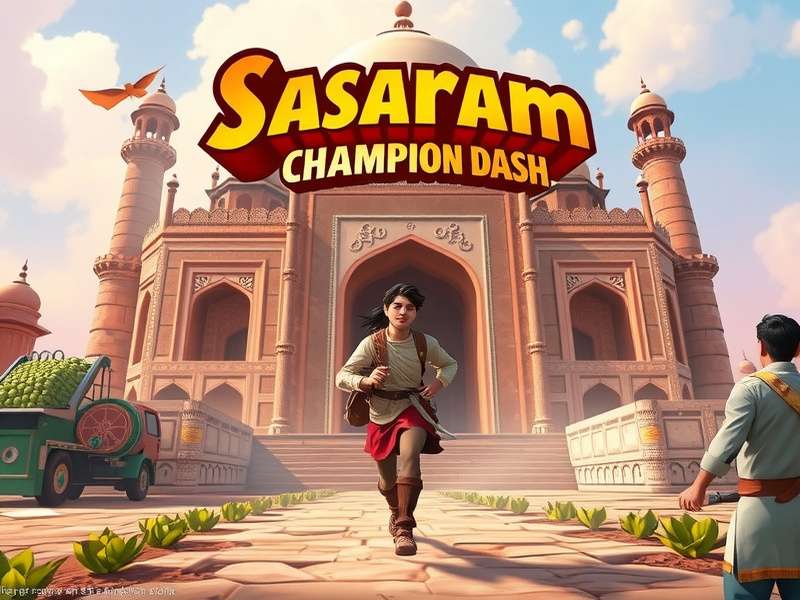
- Local Influencer Partnerships: The team partnered with 50+ local influencers in Bihar and Uttar Pradesh, including TikTok creators, YouTube gamers, and regional celebrities. These influencers created gameplay videos, unboxing content, and live streams, reaching millions of potential players. Many of the influencers were from small towns, which helped the game resonate with rural audiences.
- Mobile Retailer Promotions: The team collaborated with over 1,000 mobile retailers in Bihar and Uttar Pradesh to promote the game. Retailers displayed posters of the game in their stores, offered free data vouchers to customers who downloaded it, and helped users install the game on their devices. This was particularly effective in rural areas, where many users rely on retailers for tech support.
- Community Events: The team organized small-scale events in Sasaram, Patna, and Lucknow, where players could try the game, meet the developers, and win prizes. These events included gameplay competitions, quiz contests about Sasaram’s history, and photo booths with Raju’s character. The events helped build a sense of community around the game and generated positive word-of-mouth.
- Regional Media Coverage: The team pitched the game to regional newspapers, TV channels, and radio stations in Bihar and Uttar Pradesh. Many media outlets covered the game’s launch, highlighting its celebration of local heritage. This coverage helped raise awareness of the game among older audiences, who may not use social media.
One of the most successful marketing tactics was the “My Sasaram” campaign, which invited players to share photos of their favorite places in Sasaram on social media using the hashtag #MySasaram. The team featured the best photos in the game’s loading screens and gave away free in-game rewards to participants. This campaign not only promoted the game but also fostered a sense of pride among Sasaram’s residents.
Partnerships: Expanding Reach Through Collaboration
To expand its reach and credibility, Desi Game Studios formed several key partnerships before and after the game’s launch:
- Bihar Tourism Department: The team partnered with the Bihar Tourism Department to promote Sasaram as a tourist destination. The game includes links to the Bihar Tourism website (within the app’s info section) and features a “Visit Sasaram” tab that provides information about the city’s landmarks, hotels, and festivals. In return, the Bihar Tourism Department promoted the game on its social media channels and at tourism fairs.
- Mobile Network Operators: The team partnered with Airtel, Jio, and Vi to offer free data vouchers to users who downloaded the game. This was a win-win partnership—users got free data, network operators increased data usage, and the game gained more downloads. The vouchers were particularly popular in rural areas, where data costs are a barrier for many users.
- Educational Institutions: The team partnered with schools and colleges in Bihar to use the game as an educational tool. Teachers can download a free “Heritage Guide” that accompanies the game, with lesson plans about Sasaram’s history and culture. The game is used in classrooms to make history lessons more engaging for students.
- Daman Games: A key partnership with Daman Games, a leading Indian mobile gaming platform, helped the game reach a wider national audience. Daman Games featured Sasaram Champion Dash on its homepage and promoted it to its user base of over 10 million players. This partnership was instrumental in the game’s national success, as it introduced the game to players who may not have heard of it through regional marketing.
These partnerships not only helped the game gain more downloads but also enhanced its credibility. By associating with government departments, educational institutions, and established gaming platforms, Desi Game Studios positioned Sasaram Champion Dash as more than just a mobile game—it’s a cultural initiative that promotes heritage and education.
Reception: Critical Acclaim & Player Love
User Feedback & Reviews
Sasaram Champion Dash has received overwhelmingly positive feedback from players, with a rating of 4.7/5 on the Google Play Store and 4.8/5 on the Apple App Store. Most reviews praise the game’s authenticity, accessibility, and fun gameplay, with many players highlighting how it made them proud of their Indian heritage.
Players from Bihar have been particularly enthusiastic, with many noting that seeing their hometown’s landmarks in a mobile game was a “surreal” experience. One user from Sasaram wrote: “I grew up playing near the Sher Shah Suri Tomb, and seeing it in this game brought tears to my eyes. My kids now ask me to tell them stories about the tomb—this game is not just fun, it’s educational!” Another user from Patna commented: “Finally, a mobile game that feels like it’s made for us. The controls are easy, the graphics are great, and I love the power-ups inspired by litti chokha and sattu.”
Players from other states have also embraced the game, with many noting that it introduced them to Sasaram’s heritage. A user from Mumbai wrote: “I had never heard of Sasaram before this game. Now I want to visit Rohtas Fort and try litti chokha. The game is fun, and I’m learning something new—win-win!” Another user from Bangalore commented: “As someone who loves endless runners, this game is a breath of fresh air. The desi elements make it unique, and the offline mode is perfect for my commute.”
The game’s accessibility features have also received praise from players with disabilities. A user with visual impairments wrote: “I love that this game has high-contrast visuals and adjustable sensitivity. It’s one of the few mobile games that I can play comfortably. Thank you for thinking about us!” Another user with motor skill challenges commented: “The one-hand mode is a game-changer for me. I can now play without struggling to reach all the controls. Great job, Desi Game Studios!”
While most reviews are positive, some players have offered constructive criticism. A few users noted that the game’s story is too short, while others requested more levels and power-ups. The team at Desi Game Studios has been responsive to this feedback, releasing regular updates with new content and improvements.
Download Milestones & Player Demographics
Sasaram Champion Dash has achieved impressive download milestones since its launch, exceeding the team’s initial expectations:
- First Month (August 2023): 50,000 downloads (regional launch in Bihar, Uttar Pradesh, Jharkhand)
- Third Month (October 2023): 2 lakh downloads (national launch on Android and iOS)
- Sixth Month (February 2024): 5 lakh downloads (launch of feature phone version)
- Ninth Month (May 2024): 10 lakh downloads (release of major update with new levels)
The game’s player demographics reflect its broad appeal:
- Age: 40% of players are under 18, 35% are 18-34, 15% are 35-49, and 10% are 50+. The game’s simple controls and family-friendly content make it popular across all age groups.
- Gender: 55% male, 45% female. The team attributes the balanced gender split to the game’s relatable characters (like Meera) and its focus on heritage rather than violence.
- Region: 70% of players are from North India (Bihar, Uttar Pradesh, Jharkhand, Delhi), 15% from East India (West Bengal, Odisha), 10% from South India (Tamil Nadu, Karnataka, Andhra Pradesh), and 5% from other regions. The game’s regional marketing in North India has been particularly effective.
- Device Type: 60% of players use budget smartphones (under ₹15,000), 30% use mid-range smartphones (₹15,000-₹30,000), 5% use high-end smartphones (above ₹30,000), and 5% use feature phones. This reflects the game’s accessibility to all device types.
The game’s retention rate is also impressive, with 60% of players returning to the game after their first download and 40% playing regularly (at least 3 times a week). This high retention rate is a testament to the game’s engaging gameplay and regular updates.
Critical Acclaim & Awards
Sasaram Champion Dash has received critical acclaim from gaming journalists and industry experts, who have praised its authenticity, accessibility, and innovation:
- Indian Gaming Awards 2024: Won “Best Desi Mobile Game” and was nominated for “Best Indie Game” and “Best Educational Game.”
- Google Play Best of 2023: Featured in the “Best Games for Good” category, which highlights games that make a positive impact on society.
- iOS App of the Week: Selected as Apple’s App of the Week in India in November 2023, giving it prominent placement on the App Store homepage.
- Gaming India Magazine: Rated 9/10, with the review stating: “Sasaram Champion Dash is a masterclass in how to create a mobile game that’s fun, educational, and authentic. It’s a must-play for anyone who loves desi culture or endless runners.”
- TechCrunch India: Featured in an article titled “How Desi Game Studios is Redefining Indian Mobile Gaming,” which praised the game’s focus on heritage and accessibility.
Critics have also highlighted the game’s potential to inspire other developers to create authentic desi games. In a review for The Hindu, gaming journalist Riya Sharma wrote: “Sasaram Champion Dash proves that there’s a market for games that celebrate Indian culture. It’s not just a game—it’s a movement that could change the face of Indian mobile gaming.”
The game’s educational value has also been recognized by educational experts. Dr. Arvind Sharma, a professor of history at Delhi University, commented: “Sasaram Champion Dash is a brilliant way to teach young people about Indian heritage. It makes history fun and accessible, which is something that traditional textbooks often fail to do. I recommend it to all teachers and parents.”
Monetization & Revenue
Sasaram Champion Dash is free to download and play, with two main sources of revenue: in-app purchases and ads. The team has adopted a player-friendly monetization model that avoids pay-to-win mechanics and excessive ads:
- In-App Purchases: Players can buy Desi Coins, the game’s virtual currency, which can be used to purchase power-ups, skins, and other cosmetic items. The coins are available in packs ranging from ₹10 to ₹500. However, all items can also be earned through regular play, so in-app purchases are purely optional.
- Ads: The game includes optional ads that players can watch to earn extra Desi Coins or power-ups. Ads are limited to 15 seconds, with the option to skip after 5 seconds. There are no mandatory ads that interrupt gameplay, which has been a major point of praise from players.
While the game is not a blockbuster hit in terms of revenue, it has been profitable for Desi Game Studios. In its first year, the game generated over ₹50 lakh in revenue, with 60% coming from in-app purchases and 40% from ads. The team has reinvested most of this revenue into developing new updates and expanding the game’s features.
The team’s focus on profitability rather than rapid growth has allowed them to maintain their creative vision. Ankit Kumar explained in an interview: “We’re not trying to make a quick buck. We want